(Adnkronos) – From geothermal energy to contemporary art, passing through the protection of forests and traditional craftsmanship: Japan looks to its islands as a sustainable development laboratory to face increasingly pressing challenges, from depopulation to climate change. The experiences of Hachijojima, Naoshima and Yakushima show three different models of territorial enhancement, united by the goal of preserving natural and cultural heritage by transforming it into a lever for growth.
In Hachijojima, about 290 kilometers south of Tokyo, biodiversity and natural resources are at the heart of the development strategy. The island protects Kihachijo, an ancient fabric made with natural dyes recognized as national traditional craftsmanship, while local authorities and associations work to train a new generation of artisans. In parallel, Hachijojima aims to relaunch geothermal energy: after the closure of the first large-scale geothermal power plant built on a remote island in Japan, studies are underway for new plants as part of the “Clean Island” project.
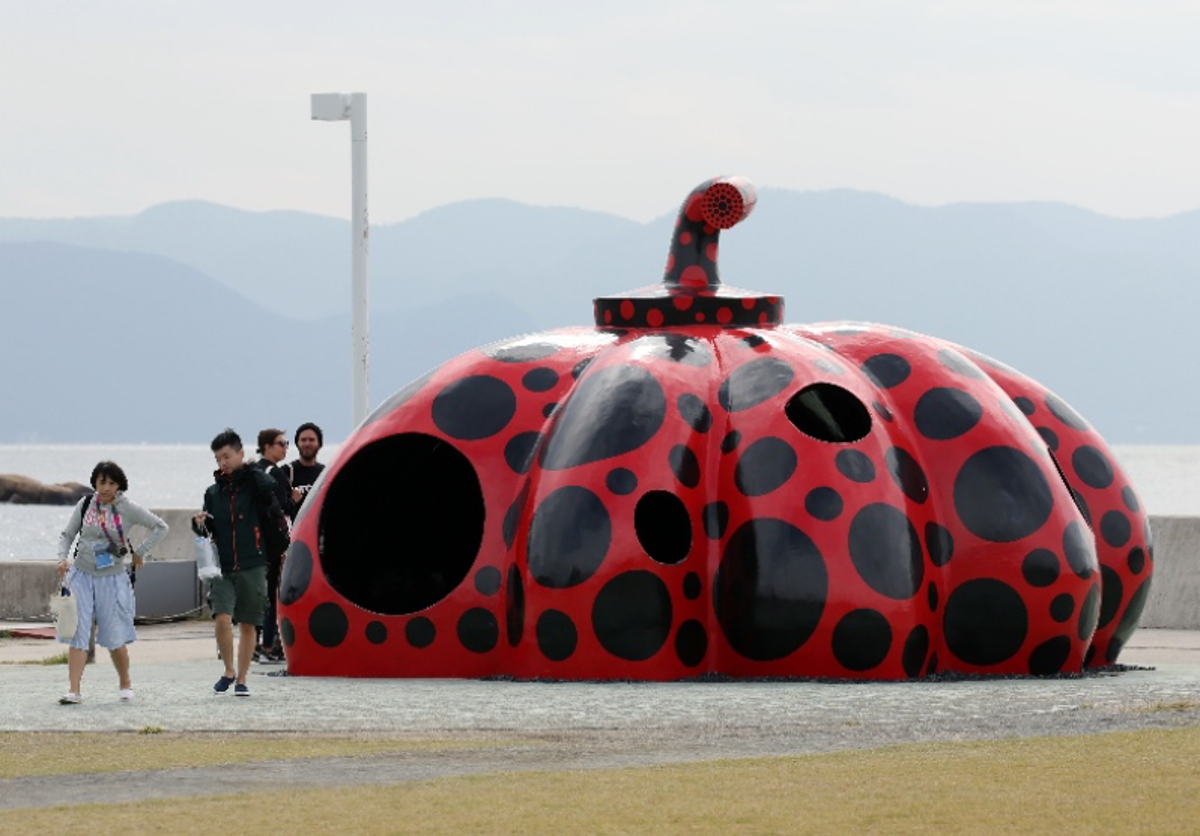
Naoshima, in the Seto Inland Sea, chose a different path, building its rebirth on contemporary art. Museums designed by Tadao Ando, Yayoi Kusama’s installations, and the Art House Project, which transforms traditional houses into works of art, have made the island an internationally renowned cultural destination. In 2025, the Setouchi Triennale involved 222 artists from 37 countries and regions, attracting approximately 340,000 visitors to Naoshima alone. However, tourism success is accompanied by the need to protect the Seto Inland Sea ecosystem, which is increasingly exposed to plastic pollution.
Further south, Yakushima, a UNESCO World Natural Heritage site, represents a model of balance between conservation and tourism. Covered 90 percent by forests and famous for the millennial Jomon Sugi cedar, the island has introduced contributions for trail maintenance and ecosystem protection, also limiting private traffic in the most sensitive areas. Programs for marine turtle protection and coastal cleanup are also ongoing.
Although following different paths, the three islands share the same challenge: transforming natural and cultural heritage into a resource capable of ensuring economic development without compromising the environment, in a country facing population aging, depopulation of peripheral areas, and climate change.
The role of island communities in ocean protection was at the center of the first Island States Ocean Summit, hosted in Tokyo on June 3 and 4 with over 300 participants from approximately 30 countries and organizations. Opening the summit, Emperor Naruhito recalled the need to preserve “the delicate balance of the Earth through the water cycle.” The conclusions of the meeting will feed into this year’s main international events dedicated to biodiversity and climate change.