
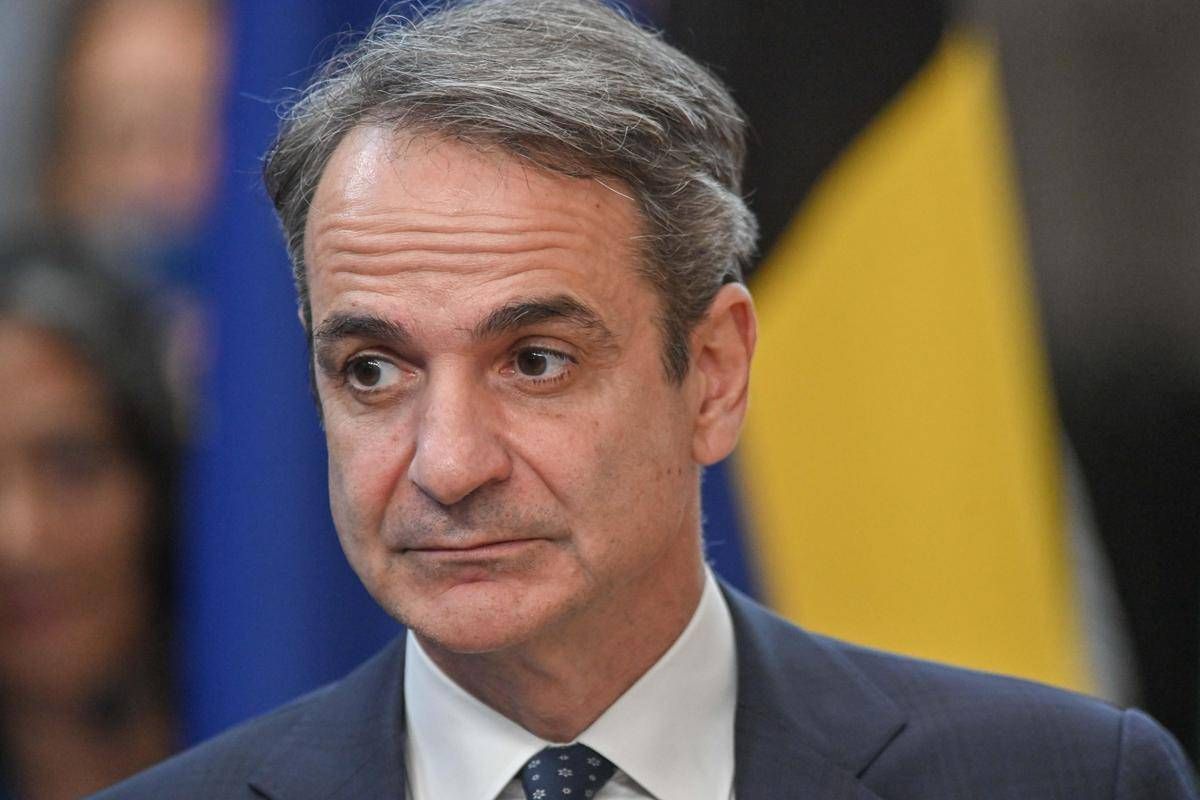
(Adnkronos) – The Greek Parliament adopted last night a law that bans minors under 15 from accessing social networks starting next January 1st, a measure adopted by several other countries worldwide. After a heated debate, the law was adopted by the right-wing majority alone, composed of Prime Minister Kyriakos Mitsotakis’ Nea Dimokratia party, reports the Greek news agency Ana.
Deputies of the main socialist opposition party, Pasok, abstained, criticizing some provisions of the text, while other left-wing and nationalist parties voted against, according to Ana. For its part, Pasok had presented an alternative solution, which provided for a strict ban for minors under 13 and parental control for children between 13 and 14, to ensure a “proportionality of restrictions”.
The law, titled “Prohibition of the use of social networks by minors,” represents “an effective, necessary, and compatible solution with European law” to counter the problem of minors’ addiction to social networks, declared the Minister of Digital Governance and Artificial Intelligence, Dimitris Papastergiou.
The measure provides for age verification mechanisms and severe penalties for platforms in case of non-compliance, in line with the proposed European regulation known as the “Kids Act.” The conservative Greek Prime Minister, Kyriakos Mitsotakis, had already announced in April, precisely on TikTok, a social network very popular among young people, the intention to adopt this measure, defining it as “difficult but necessary”.
Following Australia, which has banned access to social networks for minors under 16 (effective from the end of 2025), over twenty countries worldwide have adopted similar measures, mainly targeting minors under 15 or 16, according to a recent survey by Afp.
Greece is one of the first countries in the European Union, after France, to legislate to ban access to social networks for minors under 15. Austria, Slovenia, Denmark, and Spain have embarked on a similar path to protect adolescents from addictive algorithms on social networks. In July, France had adopted a similar law for minors under 15, but a month later the Constitutional Council rejected the measure, deeming it “a disproportionate violation” of their freedom of expression.