
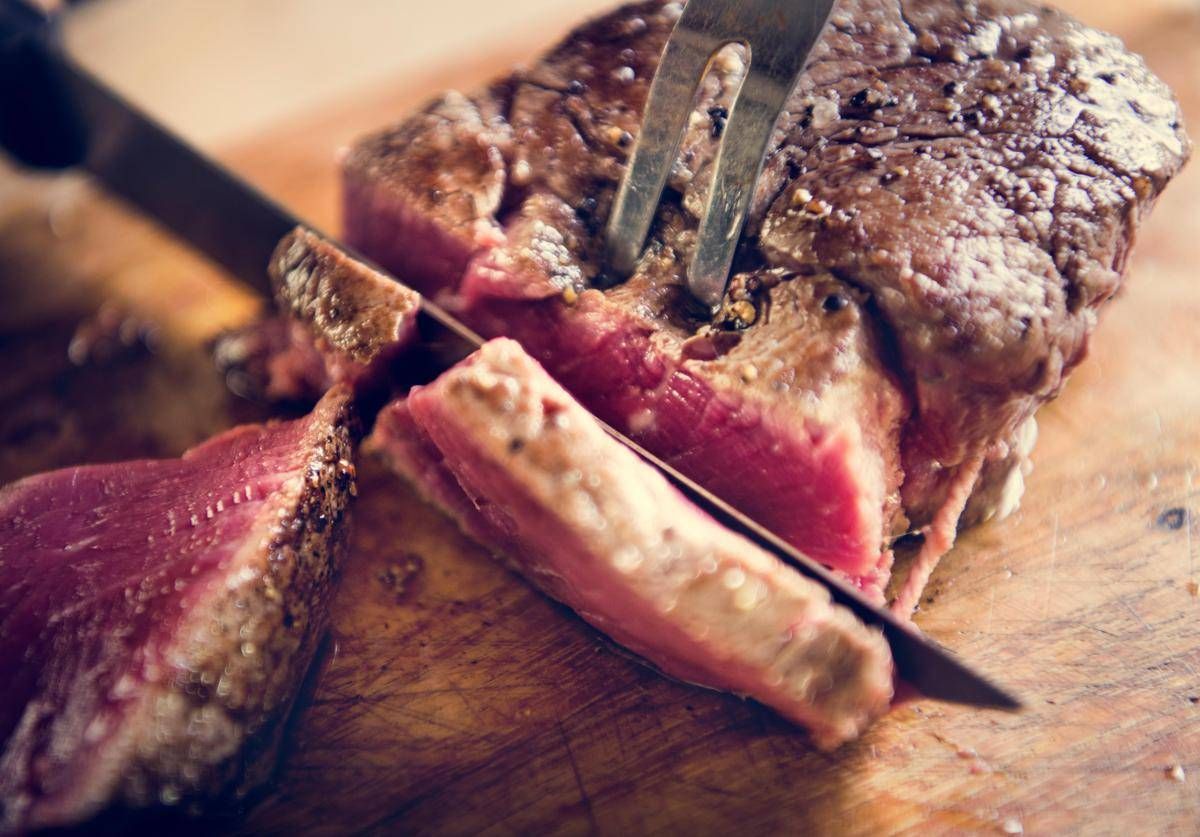
(Adnkronos) – Donald Trump’s United States is changing its menu. In a reversal of previous nutritional guidelines, the president’s administration publishes new dietary guidelines for Americans, which overturn the food pyramid: now red meat, cheese, and whole milk are at the top. The new guidelines urge Americans to prioritize protein and avoid sugary and processed foods which, according to Health Minister Robert F. Kennedy Jr., are toxic to health.
“My message is clear: eat real food,” said Rfk Jr. during a briefing where he presented the guidelines, calling them key to preventing chronic diseases and improving Americans’ health.
After years of being advised to avoid too much red meat and high-fat foods, people are now asked to embrace a different diet. The document, much shorter than previous versions, codifies some of Kennedy’s recurring points, such as the recommendation to cook with butter and beef tallow (which is obtained from beef fat), despite scientific evidence not supporting it: butter, according to many experts, should be set aside and replaced with olive oil.
On other points, however, the guidelines do not deviate much from traditional nutritional advice. They encourage Americans to eat plenty of fruits and vegetables and do not explicitly state to consume more saturated fats, although Kennedy had promised to “end the war” against them. There is also no direct reference to seed oils, a frequent target of Rfk Jr., who has repeatedly stated that they harm health.
The guidelines have been endorsed by the American Medical Association, an association that just a few days ago had strongly condemned the reform of the childhood vaccination program.