
(Adnkronos) – Ten years after the launch of the Free and Open Indo-Pacific strategy, Japan aims to strengthen cooperation with Southeast Asian countries through technological investments, skills development, and specialized personnel training. The objective is to contribute to the economic growth and shared prosperity of the region, while consolidating relations between Tokyo and its Asian partners.
Presented in August 2016 by then-Japanese Prime Minister Shinzo Abe, during the Tokyo International Conference on African Development (Ticad VI) in Nairobi, the Free and Open Indo-Pacific (Foip) strategy is based on the principles of freedom, openness, inclusivity, diversity, and respect for the rule of law. Over the years, the initiative has evolved, placing greater emphasis on collaboration with regional partners, starting with the Association of Southeast Asian Nations (Asean).
One of the central sectors of cooperation is digital technologies and semiconductors. Southeast Asia is indeed acquiring a growing role in the global supply chains of artificial intelligence and chips, also in response to the need for international companies to diversify supply chains and reduce dependence on China.
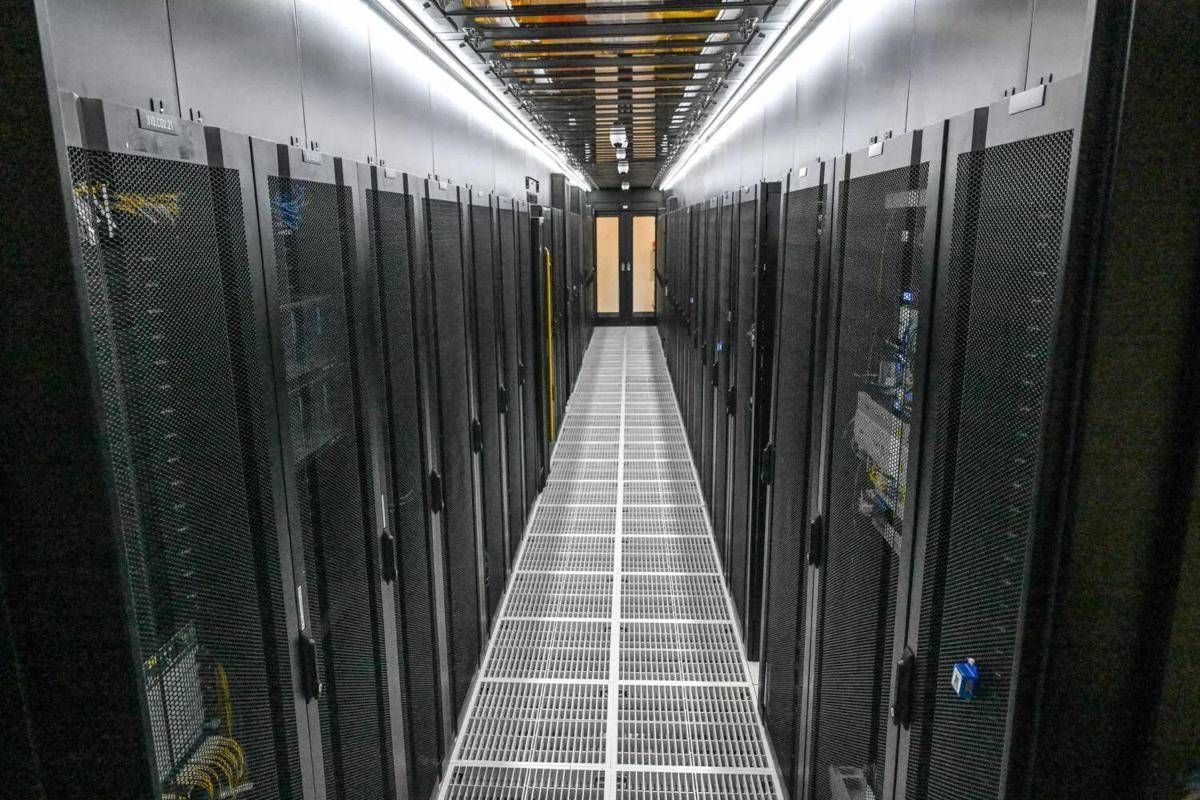
An example is the Malaysian state of Johor, bordering Singapore, which has become an important hub for data centers thanks to land availability, lower energy costs, and international investments. Among the companies present is Ntt Data, which is developing a data center campus with an anticipated power capacity of 290 megawatts. The first building is expected to become operational in April 2027. The project also includes the use of liquid cooling technologies to meet the growing demands of artificial intelligence systems.
Another front is training in the semiconductor sector in Vietnam, where the government aims to prepare 50,000 professionals by 2030. Japan supports this goal through the Vietnam Japan University, which launched a program dedicated to training specialists in the sector in October 2025. The first course involved 106 students, while the second welcomed 107.
The cooperation aims to strengthen local skills and promote the development of a semiconductor industrial ecosystem in Vietnam, also through collaboration with international companies present in the country and the creation of professional opportunities in Japan and the rest of the region.
The Japanese strategy thus aims to complement economic and technological cooperation with the development of training networks and people-to-people relationships, considered a fundamental element for building lasting ties between Japan and Southeast Asian countries.
Source Jiji Press