(Adnkronos) – The crucial Strait of Hormuz waterway’s closure is harming global agrifood systems by disrupting food imports, driving up energy, food and fertiliser prices, cutting farmers’ profits and potential crop yields as well as remittances sent back to family in Africa and Asia by migrant workers Middle East, the United Nations warned on Tuesday.
“Peace and stability are prerequisites for food security. The right to food is a basic human right,” UN Food and Agriculture Organisation of the United Nations chief, Qu Dongyu told the FAO Council’s 180th session according to a statement.
Qu urged a “coordinated response” and outlined the UN agency’s measurs to tackle the impact of the escalating Middle East crisis sparked by the joint US-Israel war on Iran which began in February with strikes on military and government targets.
“The crop calendar is central to understanding the urgency of the fertiliser crisis. Fertilizer applications must align precisely with planting windows that cannot be rescheduled without permanent yield losses,”Qu said.
The fertiliser market is experiencing immediate shocks, with prices of Middle Eastern granular urea rising nearly 20 percent a week. By mid-April, urea prices increased by 52 percent in the United States and 60 percent in Brazil. An estimated 1.5 to 3 million tons of fertiliser trade per month have been delayed, jeopardising agricultural productivity, Qu pointed out.
Gulf countries rely on imports for 70 to 90 percent of their staple food supply and countries heavily reliant on imports, including Bangladesh, where 53 percent of fertilisers come from the Gulf, are at extreme risk, according to the statement.
Iran, which depends on wheat and maize imports, is under severe strain, the statement noted.
The Strait of Hormuz is a critical strategic corridor through which approximately 20 million barrels of oil normally pass per day – a quarter of the global seaborne oil trade – as well as “significant” volumes of liquefied natural gas and vital fertilisers, the statement said.
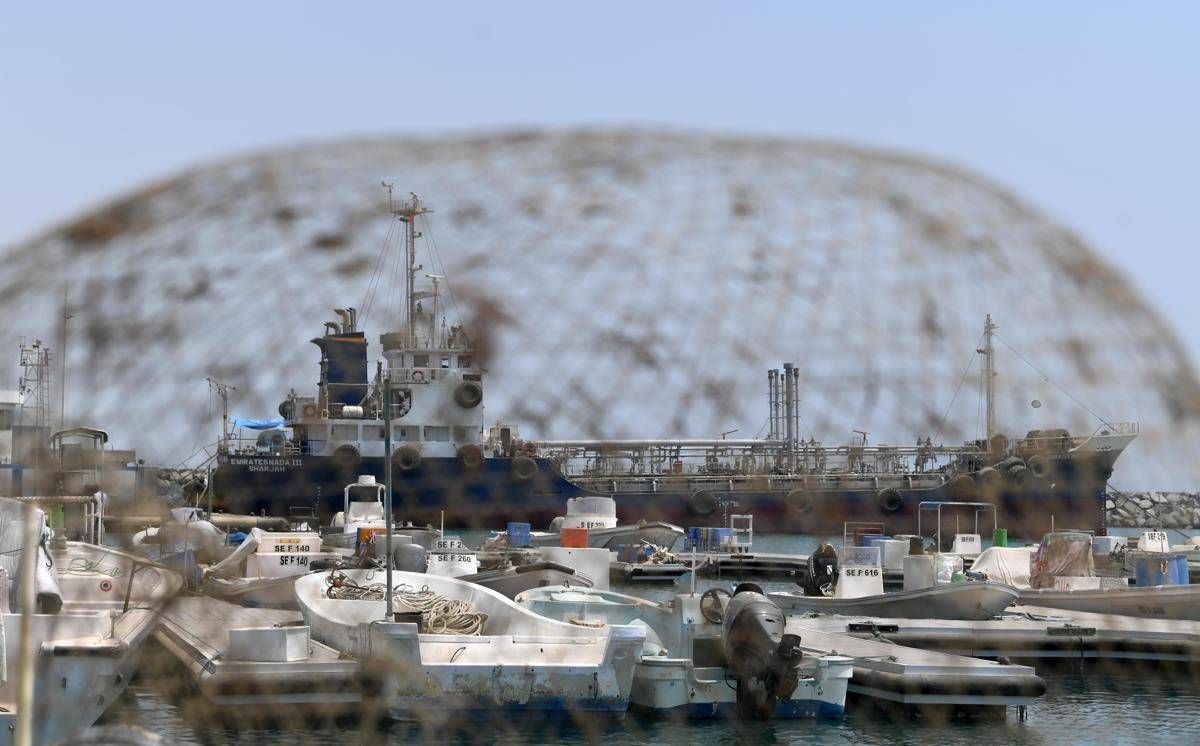
Since the start of the current crisis in the Middle East, tanker traffic through the Strait collapsed by over 90 percent, effectively closing it due to Iran’s stranglehold on the key shipping conduit.
Overlapping shocks from the crisis could escalate food price inflation and deepen hunger, according to FAO’s analysis, the statement said.
In war-hit Lebanon, approximately 874,000 people face acute food insecurity, while over 17 million people in impoverished Yemen don’t know where their next meal is coming from, according to FAO.
“A coordinated policy response is urgently needed,” Qu stated, highlighting that immediate measures over the next 90 days would include: developing alternative trade routes; enhancing market monitoring; avoiding export restrictions on energy and fertilisers; and providing financial support for farmers.
In the medium-term, the focus should be on diversifying import sources and supporting vulnerable countries through emergency food aid, while long-term strategies must prioritise sustainable agriculture and renewable energy investments, Qu said.
FAO is carrying out supply chain monitoring involving real-time surveillance of shipping movements and freight rates, strategic reserve coordination in which it is collaborating with Gulf Cooperation Council (GCC) countries to prevent simultaneous panic buying, said the statement.
Further FAO responses to the crisis include alternative routing analysis with modelling of alternative corridors for perishable goods, a fertiliser access programme and prioritising shipments to low-income, landlocked developing countries.
“We have the technical expertise; what we need now are the resources to act – in line with our mandate – before this closure has a catastrophic impact on our agrifood systems and on food security globally,” Qu underlined.
“History judges organisations not by the crises they predicted, but by the suffering they prevented,” Qu concluded.