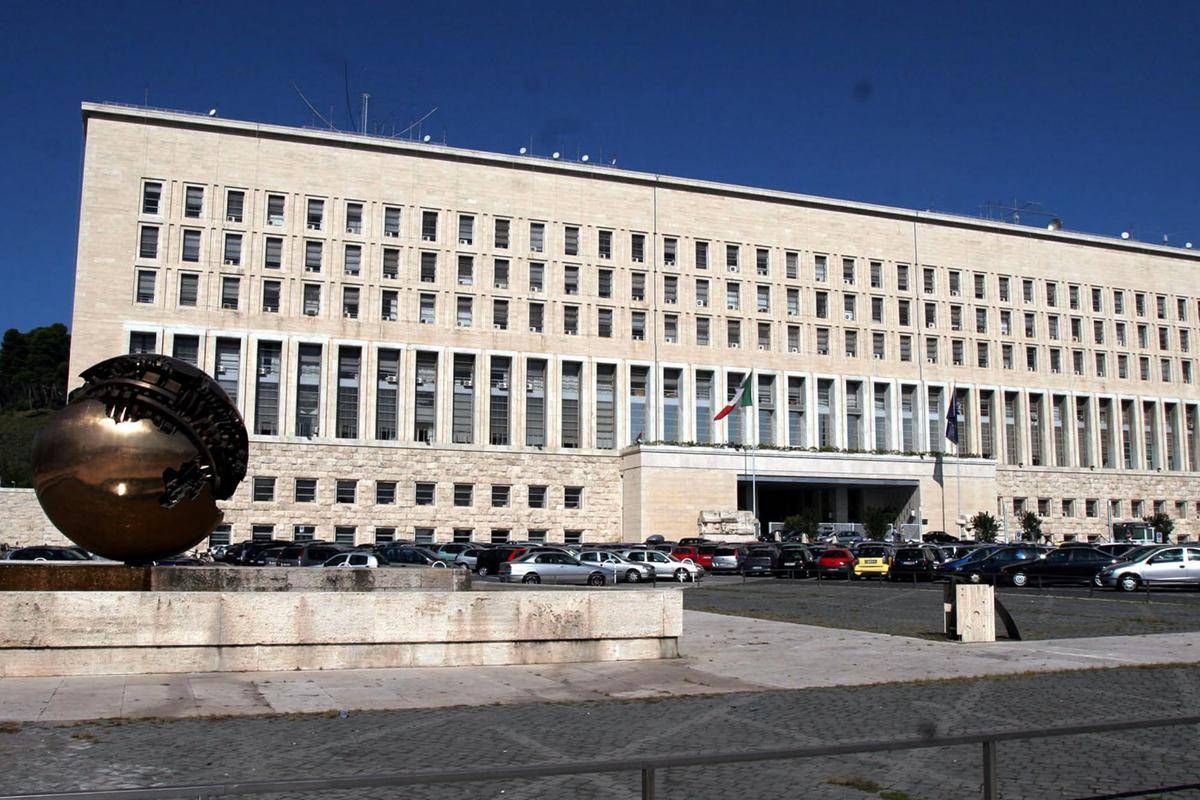
(Adnkronos) – An Italian government panel gave a green light to 13 projects on Wednesday that spanned immigration, economy and development, climate change and energy, the foreign ministry said in a statement.
The projects are in strategic sectors such as energy, vocational training, sustainable agricultural supply chains, strengthening of abilities to manage immigration and resilience at the local level, the statement said.
The panel approved the projects “on the basis of their level of development and maturity, the consensus of the beneficiary countries and their ability to attract additional funding, in line with the principles of the Mattei Plan,” the statement continued referring to the government’s five billion euro blueprint to propel Africa’s economic growth.
The panel reaffirmed “the centrality of the ‘Rome Process Mattei Plan Financing Facility” created by Italy with the African Development Bank and the United Arab Emirates as a tool for co-financing the initiatives it adopted, said the statement.
The Italian Prime Minister’s Office and the Ministry of Foreign Affairs chaired the panel, which was opened by the ministry’s Deputy Secretary-General, Carlo Lo Cascio, the statement said.
Wednesday’s meeting formed part of follow-up to the Conference on Development and Immigration, chaired in Rome in July 2023 by Italy’s premier Giorgia Meloni, the statement noted.
The July 2023 conference launched the Rome Process, a multi-year platform for countries from the Mediterranean, the Middle East, Africa, the Gulf, the European Union and key multilateral institutions.
The platform fosters “a holistic and cooperative approach to immigration, addressing its root causes, combating the exploitation of immigrants and protecting refugees and vulnerable migrants along migration routes, involving countries of origin, transit and destination,” according the foreign ministry.
The Mattei Plan for Africa, unveiled in 2024, it is Italy’s overarching framework for economic and development cooperation and equitable partnerships with African countries across five pillars: education, agriculture, health, water, and energy. It covers 14 countries.